

Moving a gun safe may seem straightforward until you’re dealing with 800 pounds of steel, a narrow staircase, and hardwood floors you don’t want to damage. Every year, homeowners attempt DIY gun safe moves that end with damaged property, broken equipment, or serious injuries.
The good news? Most of these problems are completely avoidable.
Whether you’re moving across town or simply relocating your safe to another room, here are the biggest gun safe moving mistakes and how to avoid them.
Why Gun Safe Moves Go Wrong
Unlike furniture, gun safes have a unique combination of:
- Extreme weight
- High center of gravity
- Limited handholds
- Dense steel construction
- Tight installation locations
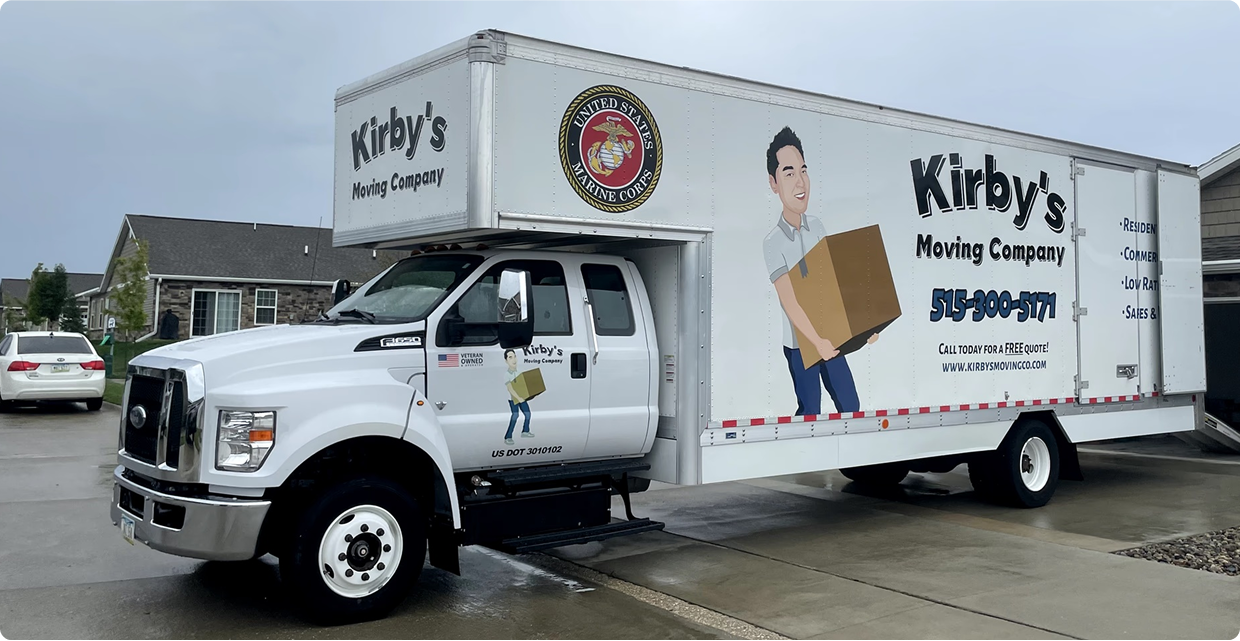
One wrong move can quickly turn into a dangerous situation. That’s why professional safe movers rely on specialized equipment and careful planning instead of brute strength. Kirby’s Moving Company regularly moves residential and commercial safes weighing up to 4,400 pounds using purpose-built equipment like powered stair climbers and custom dollies.
Mistake #1: Leaving Everything Inside the Safe
Many homeowners assume leaving firearms, documents, and valuables inside the safe saves time.
It actually creates two problems:
- The safe becomes significantly heavier.
- Items inside can shift during transport.
Before moving day, remove:
- Firearms
- Ammunition
- Important documents
- Cash
- Jewelry
- Electronics
- Removable shelves
Transport valuables separately whenever possible.
Mistake #2: Guessing the Safe’s Weight
“I think it’s around 500 pounds.”
That’s not enough information.
Many popular residential gun safes weigh anywhere from 300 pounds to over 1,500 pounds, while commercial vaults can exceed 4,000 pounds.
Knowing the actual weight helps movers determine:
- Crew size
- Equipment needed
- Truck requirements
- Safety procedures
If you don’t know the weight, check the manufacturer’s label or model number.
Mistake #3: Using the Wrong Equipment
A regular appliance dolly is not designed for a gun safe.
Professional safe movers use equipment such as:
- Powered stair climbers
- Heavy-duty safe dollies
- Commercial-grade straps
- Floor protection systems
- Specialty sliders
These tools help distribute weight safely and reduce the risk of damage to your home.
Mistake #4: Forgetting to Measure Doorways
Many gun safes fit through the front door but get stuck in:
- Hallways
- Basement entrances
- Tight corners
- Stair landings
Measure every opening along the route, not just the destination.
Include:
- Width
- Height
- Ceiling clearance
- Sharp turns
A few minutes with a tape measure can prevent major delays on moving day.
Mistake #5: Trying to Move It With Friends
It’s tempting to recruit a few friends and rent a dolly.
Unfortunately, weight isn’t the only challenge.
Gun safes can:
- Shift unexpectedly
- Become unstable on stairs
- Damage walls and flooring
- Cause serious back or hand injuries
Even online discussions among gun owners frequently recommend hiring experienced movers or using professional installation services for heavier safes instead of attempting a DIY move.
Mistake #6: Forgetting About Stairs
Stairs completely change the complexity of a safe move.
Whether it’s:
- Four front porch steps
- A finished basement
- A second-story office
Movers need to know about elevation changes before arriving.
Professional stair-climbing equipment allows heavy safes to be transported much more safely than manual lifting alone.
Mistake #7: Sliding the Safe Across the Floor
Dragging or sliding a gun safe across:
- Hardwood
- Tile
- Luxury vinyl
- Concrete
can permanently damage the flooring underneath.
Professional movers use protective materials and specialized floor sliders to move heavy safes without scratching finished surfaces.
Mistake #8: Forgetting the Safe Is Bolted Down
Many gun safes are anchored to:
- Concrete slabs
- Basement floors
- Wood framing
If the safe is secured, let your movers know before moving day.
Some companies, including Kirby’s Moving Company, can assist with safely unbolting and preparing the safe for transport when arranged in advance.
Mistake #9: Choosing the Wrong Location in Your New Home
Don’t wait until moving day to decide where the safe will go.
Consider:
- Floor strength
- Moisture levels
- Accessibility
- Future remodeling plans
- Distance from exterior walls
Moving a 1,000-pound safe twice is far more difficult than planning ahead. If you’re considering upgrading or relocating your existing safe, it’s also a good time to explore our home safes for sale before your move so you only have to install it once.
Mistake #10: Hiring Movers Without Safe Moving Experience
Not every moving company specializes in safes.
Ask questions like:
- Have you moved gun safes before?
- What equipment do you use?
- Are you insured?
- Can you handle stairs?
- Do you move commercial safes?
Companies that regularly move safes are better equipped to handle the unique challenges involved. Kirby’s Moving Company specializes in safe and vault moving throughout the Greater Des Moines area for homeowners, businesses, banks, and retail stores.
What Professional Safe Movers Do Differently
Moving a gun safe isn’t just about having more people to lift it. Professional safe movers follow a process that’s designed to protect your home, your safe, and everyone involved.
Here’s what experienced crews do differently:
They use specialized equipment. Powered stair climbers, heavy-duty safe dollies, custom straps, and floor protection systems allow movers to control thousands of pounds safely without dragging or dropping the safe.
They plan the move before lifting anything. Professional movers evaluate the safe’s weight, dimensions, travel path, staircases, flooring, and final placement before moving day. This helps avoid surprises that can delay the move or cause damage.
They’re properly insured. If something unexpected happens, you’re working with a company that’s insured for heavy-item moving rather than relying on friends or rented equipment.
They move as a coordinated team. Safe moving requires communication and precise timing. Every crew member has a specific role when navigating corners, stairs, or uneven surfaces, reducing the risk of injuries and property damage.
For heavy residential safes and commercial vaults, experience and planning often make the difference between a smooth move and an expensive repair.
Quick Checklist Before Moving Day
Before your movers arrive, make sure you’ve:
- Removed all firearms and valuables
- Measured the safe
- Measured doorways and hallways
- Cleared the moving path
- Notified movers about stairs
- Mentioned whether the safe is bolted down
- Selected the final placement location
- Reserved elevators or loading docks if necessary
A little preparation helps prevent costly surprises.
When Should You Hire Professional Gun Safe Movers?
Professional movers are strongly recommended if your safe:
- Weighs more than 500 pounds
- Must travel up or down stairs
- Is installed in a basement
- Is bolted to the floor
- Needs to be moved through tight spaces
- Is a commercial safe or vault
These moves require specialized equipment and experience to protect both your property and everyone involved.
Trust Kirby’s Moving Company With Your Gun Safe
Whether you’re moving a residential gun safe, a fireproof safe, or a multi-thousand-pound commercial vault, Kirby’s Moving Company has the equipment and expertise to do the job safely. From powered stair climbers to custom safe dollies, our team is equipped to handle even the most challenging moves throughout Urbandale, Des Moines, and Central Iowa.
If you’re planning a gun safe move, contact Kirby’s Moving Company today for a free estimate and let experienced safe movers handle the heavy lifting. And if you’re looking to upgrade your security after the move, be sure to check out our selection of home safes for sale to find the right safe for your home or business.